
Manx Cat: Complete Breed Profile, Personality & Care Guide
Complete Manx cat breed guide covering their Isle of Man origins, distinctive taillessness, dog-like personality, health concerns like Manx syndrome, and the best products for this sturdy Shorthair breed.
Manx at a Glance
Good With
Temperament
Health Considerations
The Manx is a cat defined by what it lacks — and enriched by everything else it brings. Famous for their taillessness, these stocky, round cats from the Isle of Man pack more personality per pound than almost any breed in the cat world. Playful, loyal, intelligent, and genuinely dog-like in their devotion, the Manx is a cat who will follow you around the house, come when called, play fetch, and greet you at the door with the enthusiasm of a Labrador in a feline body. If you want a cat with personality, athleticism, and a distinctive look that starts conversations, the Manx is impossible to overlook.
Meowing Goods is reader-supported. When you buy through links on our site, we may earn an affiliate commission at no extra cost to you. Learn more
Breed History and Origin
The Manx cat originates from the Isle of Man, a small self-governing island in the Irish Sea between Great Britain and Ireland. The breed’s defining characteristic — taillessness — is the result of a naturally occurring genetic mutation that became prevalent in the island’s cat population due to geographic isolation and the resulting limited gene pool.
The exact date when the tailless mutation first appeared is unknown, but tailless cats have been documented on the Isle of Man for at least 300 years. Numerous folk legends attempt to explain the Manx’s missing tail: one claims Noah shut the door of the Ark on the cat’s tail, another says the cat’s tail was bitten off by a dog, and a particularly charming version holds that Irish warriors once decorated their helmets with cat tails, and mother cats bit off their kittens’ tails to protect them from this fate. The biological reality is more prosaic — a spontaneous dominant genetic mutation that, in an isolated island population with limited genetic diversity, became extremely common through natural genetic drift.
The Isle of Man has embraced the Manx cat as a cultural symbol. The cat appears on Isle of Man coins, stamps, and tourism materials, and the island maintains the Manx Cat Centre, a conservation and breeding facility. The Manx was among the founding breeds at some of the earliest organized cat shows in the late 19th century, and the Cat Fanciers’ Association (CFA) recognized the breed as one of its original registrations. TICA also fully recognizes the Manx.
The genetics of the Manx tail are complex. The Manx gene (M) is a dominant mutation that affects spinal development during embryonic growth. In its heterozygous form (one copy of M), it produces the characteristic range of tail lengths. In its homozygous form (two copies of M), the mutation is lethal — homozygous embryos typically die in utero. This means that every living Manx cat carries one Manx gene and one normal gene, and every Manx litter produces a mix of tailless and tailed kittens. Responsible breeders never breed two completely tailless (rumpy) cats together due to the significantly increased risk of severe spinal defects in offspring.
Physical Characteristics
Head and Face
The Manx head is round and broad with prominent cheeks, a medium-length nose with a gentle break, and a strong chin. The overall facial expression is open and friendly. The eyes are large and round, set at a slight angle, and can be almost any color — copper, gold, green, hazel, and blue (in white cats). The ears are medium-sized, widely spaced, and slightly rounded at the tips.
Body
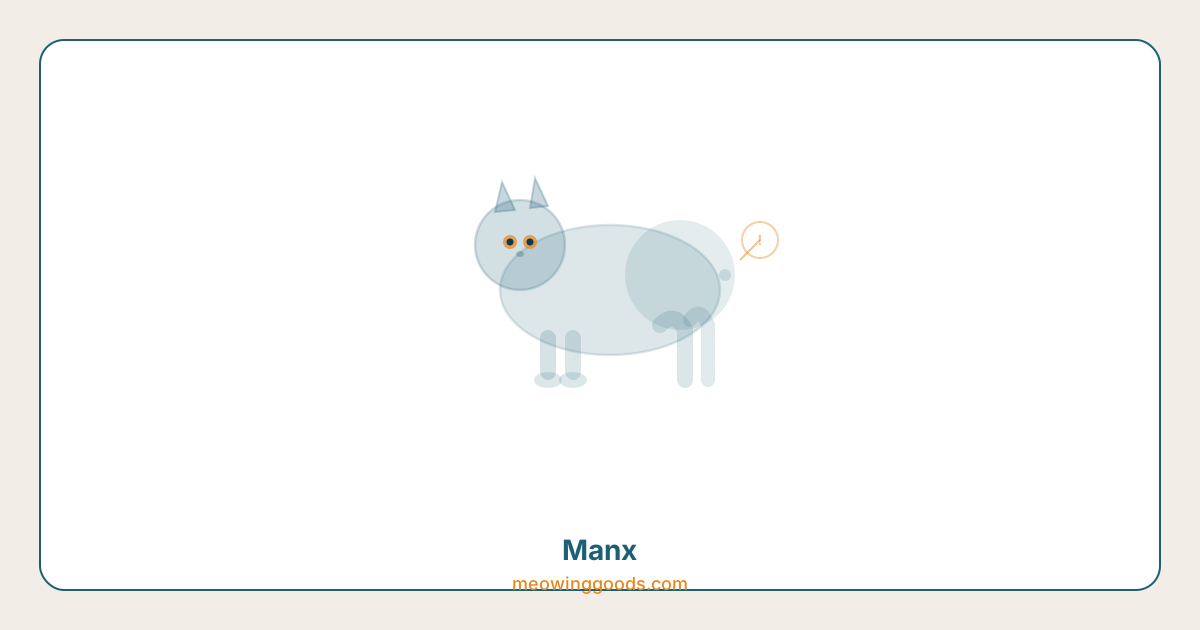
The Manx body type is immediately recognizable — round, compact, and solidly muscular. The breed standard describes the Manx as a “medium-sized, stocky cat with a round head, round body, and round rump.” The chest is broad, the back is short, and the flank has a distinctive depth that gives the Manx a barrel-shaped appearance. The most notable structural feature is the hind legs, which are significantly longer than the front legs. This creates a rising topline from shoulders to rump and gives the Manx its characteristic hopping, rabbit-like gait (sometimes called “Manx hop”). Males typically weigh 10 to 12 pounds, while females range from 8 to 10 pounds.
The Tail (or Lack Thereof)
The Manx tail exists on a spectrum, and breeders classify individuals into four categories:
- Rumpy — Completely tailless. The rump is rounded with no visible tail at all. A slight hollow or dimple may be felt where the tail would normally begin. This is the show-quality type.
- Rumpy-riser — A small knob or rise of cartilage (one to three vertebrae) is present but cannot be felt when the cat is handled. Also eligible for show competition.
- Stumpy — A short tail stub of one to five inches, often curved, kinked, or knotted.
- Longy — A nearly full-length or full-length tail. Longies appear frequently in Manx litters and are genetically Manx, but they do not qualify for show competition.
All four types can appear in a single litter. Breeders value longies and stumpies as breeding stock, since mating a tailed Manx with a rumpy reduces the risk of spinal defects while still producing tailless offspring.
Coat
The Manx coat is short, dense, and double-layered, with a plush, cottony undercoat beneath a slightly glossy outer coat. This gives the coat a padded, thick feel. The Manx comes in virtually every coat color and pattern — solid, tabby, calico, tortoiseshell, bicolor, and more. CFA and TICA accept all colors and patterns except colorpoint (Siamese-type markings).
A longhaired variant, called the Cymric (pronounced “kim-rick”), also exists and is recognized by some registries as a separate breed and by others as a longhaired division of the Manx.
Personality and Temperament
The Dog-Like Cat
The Manx is routinely described as one of the most dog-like cat breeds. They bond strongly with their families, follow their favorite people from room to room, come when called by name, and many will play fetch with small toys or crumpled paper. This loyalty extends to protective behavior — Manx owners frequently report that their cats investigate unusual sounds, position themselves near the door when strangers approach, and display a watchful alertness that is more typically associated with guard dogs than with cats.
Playful and Athletic
Despite their compact, round build, Manx cats are surprisingly athletic. Their powerful hind legs make them excellent jumpers, and they enjoy climbing to elevated vantage points. Their play style is energetic and engaged — they love wand toys, interactive puzzles like the Catit Senses 2.0 Digger, and games that involve chasing and pouncing. A tall SmartCat Ultimate Scratching Post provides both scratching satisfaction and a jumping platform.
Intelligent and Trainable
The Manx intelligence is notable. They learn routines quickly, can be taught simple tricks, and often figure out mechanisms like lever-style door handles and cabinet latches. This intelligence, combined with their desire to please, makes them one of the more trainable cat breeds. Many Manx can be taught to come on command, sit, and even walk on a leash.
Social and Adaptable
Manx cats are social animals who thrive on human companionship. They do well in multi-pet households, including those with dogs, and they typically adjust well to new environments and situations. Their adaptability makes them better travelers than many cat breeds, and they handle household changes — new family members, furniture rearrangements, routine adjustments — with equanimity rather than anxiety.
Health and Lifespan
Manx cats live 12 to 16 years on average and are generally robust cats. However, the genetic mutation responsible for their taillessness can also cause significant health issues that prospective owners must understand.
Manx Syndrome
Manx syndrome is the most serious health concern for this breed. It is not a single condition but a collection of spinal and neurological defects caused by the Manx gene’s effect on spinal development. Symptoms can include:
- Spina bifida — incomplete closure of the spinal column, which can range from mild (no visible symptoms) to severe (paralysis, bowel and bladder incontinence)
- Fused or missing vertebrae — structural spinal abnormalities that affect mobility
- Shortened spinal cord — which can impair nerve function to the hindquarters, bowels, and bladder
Manx syndrome typically manifests within the first four to six months of life, which is why responsible breeders keep Manx kittens until at least 16 weeks of age — significantly longer than the 12-week standard for most breeds. According to the Cornell Feline Health Center, approximately 20 percent of Manx kittens are affected by some degree of spinal defect, though severity varies widely.
Megacolon
Megacolon is an enlargement of the colon that impairs its ability to contract and move waste normally, leading to chronic severe constipation. This condition is seen more frequently in Manx cats than in the general cat population, likely related to the nerve abnormalities associated with the Manx gene. Treatment may involve dietary management, laxatives, or in severe cases, surgical intervention.
Arthritis of the Tailbone
Even Manx cats without full Manx syndrome may develop arthritis in the shortened tailbone area as they age. This can cause pain and discomfort, particularly in rumpy-risers and stumpies where a small amount of tail cartilage or bone is present. Regular veterinary monitoring and pain management (if needed) help maintain quality of life.
Corneal Dystrophy
Some Manx lines show a predisposition to corneal dystrophy, a condition where the cornea develops cloudy opacities that can impair vision. This is typically a slow-progressing condition and may not significantly affect the cat’s quality of life, but it should be monitored by a veterinary ophthalmologist.
Grooming and Care
The Manx’s short double coat is remarkably low-maintenance, requiring minimal grooming intervention to stay in excellent condition.
Weekly Brushing
A weekly brushing with a rubber grooming mitt, slicker brush, or deshedding tool is sufficient to remove loose undercoat, distribute natural oils, and keep the coat’s plush texture looking its best. The thick, cottony undercoat can trap loose fur, so a FURminator deshedding tool is particularly effective during seasonal shedding periods.
Tailbone Area Monitoring
For rumpy, rumpy-riser, and stumpy Manx cats, regularly check the tailbone area for signs of irritation, infection, or sensitivity. The area where the tail would normally begin can sometimes develop soreness, particularly in older cats. Report any signs of pain, swelling, or discharge to your veterinarian promptly.
Standard Care
Complete the grooming routine with nail trimming every two to three weeks, regular ear checks, and dental care. The Manx’s round, open eyes rarely develop tear staining, but check for any discharge or redness during your weekly grooming session.
Diet and Nutrition
Manx cats are stocky, muscular cats who benefit from a diet that supports their athletic build while preventing the weight gain that their compact body type is prone to.
Key Nutrition Priorities
- Moderate calories, high protein — The Manx’s muscular frame needs quality protein, but their compact body gains weight visibly. Choose high-protein foods with moderate calorie counts, like Blue Buffalo Tastefuls Indoor.
- Digestive health — Given the breed’s predisposition to gastrointestinal issues (megacolon, constipation), fiber-rich foods and adequate hydration are important. Include wet food in the daily diet and ensure fresh water is always available.
- Joint support — For older Manx cats who may develop tailbone arthritis, foods or supplements containing glucosamine and chondroitin can support joint health.
- Measured portions — Avoid free-feeding. Use measured portions at set mealtimes to prevent overeating, and consider a puzzle feeder like the Catit Senses 2.0 Digger for mental stimulation during meals.
- AAFCO certification — Only feed food certified as “complete and balanced” by AAFCO for your cat’s life stage.
Living Environment
Manx cats are adaptable and thrive in a variety of living situations, from apartments to large homes. Their ideal environment includes:
- Interactive play opportunities — Wand toys, puzzle feeders, and fetch games satisfy their playful, intelligent nature
- Vertical space — Despite their compact build, Manx cats enjoy elevated perches and cat trees. Their powerful hind legs make them excellent jumpers.
- Companionship — Manx cats are social and bond deeply with their families. They do best when not left alone for extended periods. A second pet (cat or dog) provides social stimulation during work hours.
- Sturdy scratching posts — Their muscular build means they need solid, heavy scratching posts that will not tip over during vigorous use
- Indoor living — While their Isle of Man ancestors were outdoor cats, modern Manx should be kept indoors for safety
Is This Breed Right for You?
A Manx May Be a Great Fit If You:
- Want a loyal, dog-like cat who follows you around and comes when called
- Have children or other pets — the Manx is exceptionally social and tolerant
- Appreciate a playful, intelligent cat who can learn tricks and play fetch
- Want a low-maintenance grooming routine
- Like a distinctive-looking cat that starts conversations
- Can commit to finding a responsible breeder who screens for Manx syndrome
A Manx May NOT Be Ideal If You:
- Are uncomfortable with the health risks associated with the Manx gene (Manx syndrome, megacolon)
- Want a completely predictable, genetically simple breed
- Are looking for a very calm, sedentary lap cat (consider a Persian or Ragdoll)
- Cannot keep kittens until at least 16 weeks (this is a breeder responsibility, but you should understand why)
- Want a long, elegant cat body type — the Manx is decidedly round and compact
If you love the Manx personality but are concerned about the spinal health risks, consider the British Shorthair or American Shorthair — they share the Manx’s sturdy build and easy-going temperament without the genetic complexity of the Manx gene.
Recommended Products for Manx Cats
Based on the Manx’s specific needs — moderate energy, muscular build, digestive sensitivity, and high intelligence — here are the products we recommend:
-
Catit Senses 2.0 Digger — Engages the Manx’s sharp mind and natural hunting instincts. The puzzle-feeding design also slows down eating, which supports healthy digestion.
-
Blue Buffalo Tastefuls Indoor — Quality protein for the Manx’s muscular build with moderate calories and fiber to support healthy digestion and weight management.
-
SmartCat Ultimate Scratching Post — A tall, stable scratching post that accommodates the Manx’s powerful full-body stretches and jumping ability without wobbling or tipping.
Frequently Asked Questions
Why do Manx cats have no tail?
The Manx’s taillessness is caused by a naturally occurring genetic mutation that affects spinal development. The Manx gene (designated M) is a dominant mutation, meaning a cat only needs one copy of the gene to exhibit the tailless trait. This mutation originated spontaneously in the cat population on the Isle of Man, a small island in the Irish Sea between England and Ireland. Due to the island’s geographic isolation and small cat population, the mutation became prevalent through natural genetic drift over centuries. Not all Manx cats are completely tailless — the breed includes a spectrum from “rumpy” (no tail at all) to “rumpy-riser” (a small knob of cartilage) to “stumpy” (a short tail stub) to “longy” (a nearly full-length tail). Only the rumpy and rumpy-riser variants are eligible for show competition, but all tail lengths can appear in the same litter.
Do Manx cats have health problems?
Manx cats can be prone to several health issues related to the same gene that produces their taillessness. The most serious is Manx syndrome, a collection of spinal defects that can include spina bifida, fused vertebrae, and gaps in the spinal column. Manx syndrome affects approximately 20 percent of Manx kittens and can cause bowel and bladder dysfunction, difficulty walking, and in severe cases, may require euthanasia. Responsible breeders never breed two completely tailless (rumpy) cats together, as this significantly increases the risk of spinal defects in offspring. Other health concerns include megacolon (a condition where the colon becomes enlarged and unable to function properly), arthritis in the shortened tailbone area, and corneal dystrophy. Despite these risks, many Manx cats live healthy, full lives of 12 to 16 years when bred responsibly and monitored by a knowledgeable veterinarian.
Are Manx cats good with dogs?
Manx cats are one of the most dog-friendly cat breeds. Their confident, outgoing temperament and playful energy level make them natural companions for dogs, particularly dogs with moderate to high energy levels. Many Manx owners describe their cats as “dog-like” — they follow their owners around the house, come when called, play fetch, and show a bold, unfazed confidence when meeting new animals. When introducing a Manx to a dog, follow standard introduction protocols (separate spaces, gradual supervised contact, scent exchanges), but expect the process to go more smoothly than with more timid breeds. Manx cats are more likely to engage with a dog than to hide from one, and many develop genuine playmate relationships with their canine housemates.
Can Manx cats jump normally without a tail?
Yes, Manx cats are excellent jumpers and climbers despite their lack of a tail. While cats generally use their tails for balance during jumps and quick directional changes, the Manx has evolved powerful hind legs that are noticeably longer than the front legs to compensate for the absence of a tail-based balancing mechanism. This gives the Manx a distinctive hopping gait that some liken to a rabbit, and it provides exceptional jumping power. Manx cats can leap to the same heights as tailed breeds and are often described as surprisingly athletic for their stocky build. Their center of gravity is slightly different from tailed cats, but generations of natural selection have produced a body perfectly adapted to tailless agility.
How much does a Manx cat cost?
Manx kittens from reputable breeders typically cost between $800 and $1,500, with show-quality rumpy or rumpy-riser kittens from champion lines reaching $2,000 or more. Price is influenced by tail type (completely tailless rumpies are more sought after for showing and tend to be priced higher), coat color and pattern, breeder reputation, and geographic location. Because of the ethical complexities of Manx breeding — the need to avoid rumpy-to-rumpy matings and screen for Manx syndrome — finding a responsible Manx breeder is critically important. Always choose a breeder who keeps kittens until at least 16 weeks of age (later than the typical 12 weeks for most breeds) to monitor for signs of Manx syndrome. Adopting a Manx from a breed-specific rescue is also an option, typically $100 to $400.
Sources
Recommended Products for Manx Cats
Catit Senses 2.0 Digger
Manx cats are intelligent, playful problem-solvers who enjoy interactive feeding challenges. The Digger engages their natural hunting instincts and provides the mental stimulation this breed craves.
Blue Buffalo Tastefuls Indoor
Manx cats have stocky builds and can gain weight if overfed. This moderate-calorie formula provides high-quality protein for their muscular frame while supporting healthy digestion — important for a breed prone to gastrointestinal sensitivities.
SmartCat Ultimate Scratching Post
Manx cats are surprisingly powerful jumpers and climbers despite their compact build. A tall, sturdy scratching post gives them a vertical outlet for their athletic energy and accommodates their full-body stretches.
Frequently Asked Questions

Senior Cat Product Reviewer & Feline Nutrition Specialist
Sarah has spent over 12 years testing and reviewing cat products — from premium kibble to the latest interactive toys. She holds a certification in feline nutrition and is an associate member of the International Association of Animal Behavior Consultants (IAABC). Sarah lives in Austin, Texas, with her three cats: Biscuit (a tabby with opinions about everything), Mochi (a Siamese who demands only the best), and Clementine (a rescue who taught her the meaning of patience). When she isn't unboxing the latest cat gadget, you'll find her writing about evidence-based nutrition, helping cat parents decode ingredient labels, and campaigning for better transparency in the pet food industry.